
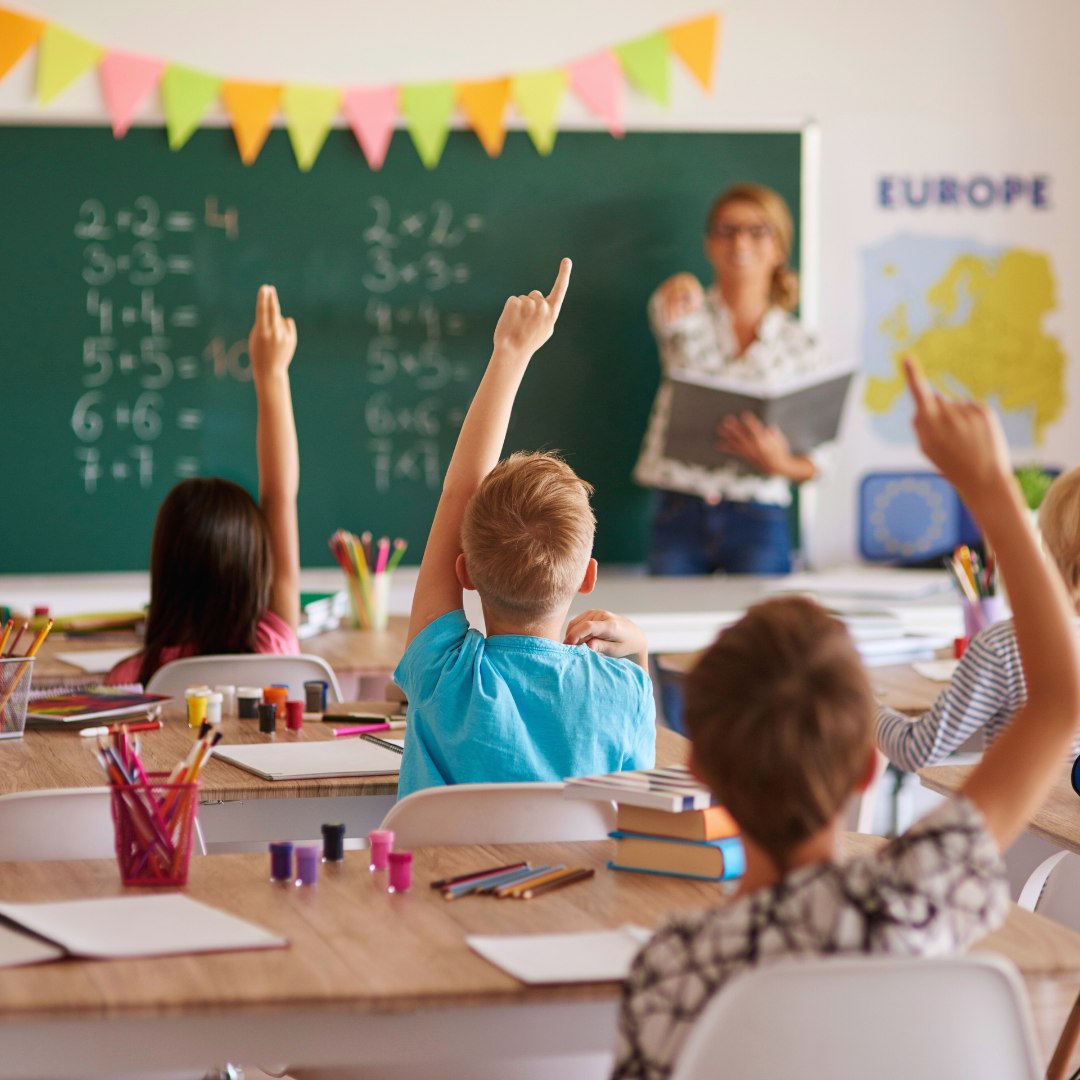
How Active Learning Improves Classroom Engagement: Enhancing Student Participation and Outcomes
Active learning changes the dynamic of the classroom by involving students directly in the process. Instead of passively listening, students participate through discussions, problem-solving, and hands-on activities. This approach increases engagement by making learning more interactive and relevant to their experiences.
When students are actively involved, they tend to retain information better and develop a deeper understanding of the material. This engagement helps reduce distractions and encourages collaboration among peers. In turn, this fosters a more positive and productive learning environment.
The Role of Active Learning in Student Engagement
Active learning directly influences how students participate and interact within the learning environment. It redefines traditional classroom dynamics by encouraging greater involvement and attention from learners.
Defining Active Learning
Active learning involves instructional methods that require students to engage mentally and physically with the material. Rather than passively listening, students participate through activities like discussions, problem-solving, and group work.
These techniques promote critical thinking and allow learners to apply concepts immediately. This hands-on approach aims to deepen understanding and improve retention compared to lecture-based teaching.
Student Engagement Explained
Student engagement refers to the degree of attention, curiosity, and interest students show during learning. It is a measurable expression of their motivation and investment in the educational process.
Engagement can be behavioural, emotional, or cognitive, reflecting actions such as participation, enthusiasm, and use of learning strategies. High engagement correlates with improved academic outcomes and persistence.
Shift from Passive to Active Participation
Active learning transforms students from observers into participants. Instead of sitting quietly and absorbing information, they interact directly with lesson content and peers.
This shift fosters a dynamic learning environment where students take responsibility for their education. It enhances focus, encourages collaboration, and supports diverse learning styles, making the experience more personalised and effective.
Core Benefits of Active Learning for the Classroom
Active learning enhances students’ engagement through tangible improvements in knowledge retention, analytical reasoning, and interpersonal interaction. These effects positively influence their academic progress, cognitive development, and ability to collaborate effectively.
Boosting Academic Success
Active learning engages students directly in the material, which increases comprehension and retention. Techniques such as group discussions, problem-solving tasks, and peer teaching motivate learners to apply concepts rather than passively absorb information.
Research shows students involved in active learning perform better on tests and assignments compared to traditional lecture methods. This approach also caters to various learning styles, helping individuals grasp complex topics more effectively.
Moreover, active learning encourages regular feedback, enabling students to identify gaps in understanding and address them promptly. This continuous improvement cycle supports stronger academic outcomes and long-term mastery.
Developing Critical Thinking Abilities
Active learning cultivates critical thinking by requiring students to analyse, evaluate, and synthesise information. Tasks like case studies or debates push learners to question assumptions and consider alternative perspectives.
Students develop problem-solving skills by tackling real-world scenarios, fostering independent reasoning beyond memorisation. This method demands higher-order cognitive skills, essential for navigating complex academic and professional environments.
By encouraging reflection and discussion, active learning sharpens judgment and decision-making abilities. It helps students move from memorising facts to forming reasoned arguments and solutions.
Advancing Communication Skills
Through collaborative activities, students practise expressing ideas clearly and listening actively to others. Group work and presentations develop both verbal and non-verbal communication competencies.
Active learning builds confidence in articulating thoughts, debating viewpoints, and negotiating solutions. This interaction prepares students for teamwork in academic and workplace settings, where clear communication is critical.
It also enhances social skills, encouraging respect for diverse opinions and effective feedback exchange. Students learn to convey complexity in accessible terms and adapt messages to different audiences.
Active Learning Strategies That Increase Engagement
Effective active learning incorporates various techniques to promote student involvement, collaboration, and critical thinking. These strategies leverage peer interactions and well-structured discussions to create dynamic classroom environments.
Popular Active Learning Methods
Techniques like think-pair-share, problem-based learning, and case studies engage students directly with the material. Think-pair-share requires students to think individually, discuss with a partner, and then share with the group, encouraging reflection and communication.
Problem-based learning involves presenting real-world problems that require students to research and propose solutions. This method fosters practical understanding and active participation.
Using case studies helps students apply theory to specific contexts, enhancing relevance. These methods shift the focus from passive listening to hands-on activity, increasing attention and knowledge retention.
Fostering Peer Interactions
Peer interactions deepen understanding by allowing students to articulate ideas and challenge each other’s thinking. Structured partner or small group exercises create opportunities for peer learning through explanation and feedback.
Instructors can design tasks that require teamwork, promoting diverse perspectives and cooperative problem-solving. Active monitoring and timely intervention help maintain productive dialogue and ensure all students contribute.
Peer interactions also build communication skills and confidence. Encouraging respect and open-mindedness during discussions leads to a positive and engaging classroom culture.
Designing Effective Group Discussions
Group discussions should have clear objectives and well-defined roles to maintain focus and balance participation. Providing guiding questions directs the conversation toward key learning goals.
Assigning roles — such as facilitator, note-taker, or summariser — ensures that all students engage actively and share responsibilities. Time limits keep discussions concise and on task.
Encouraging evidence-based reasoning helps students support their viewpoints with facts or examples. This practice improves critical thinking and prevents conversations from becoming off-topic.
Regular debriefs after discussions help consolidate learning and clarify misunderstandings.
Best Practices for Creating an Engaging Learning Environment
Effective engagement relies on establishing clear strategies that promote interaction and address obstacles that hinder participation. Structuring lessons to invite contribution while managing disruptions is key to maintaining focus.
Encouraging Active Participation
Teachers can boost engagement by integrating varied learning activities, such as group discussions, think-pair-share tasks, and problem-solving exercises. These formats require students to contribute actively rather than passively absorb information.
Clear expectations should be set at the start of each session to clarify when and how students should participate. Using tools like response cards or digital platforms allows all learners to input answers, which supports quieter students and increases involvement.
Regular feedback reinforces participation. Praising thoughtful contributions and providing constructive guidance helps students feel valued and encourages continuous effort. Structuring questions to require analysis or application rather than recall promotes deeper thinking and engagement.
Overcoming Common Classroom Challenges
Distractions and lack of motivation are common barriers to engagement. Arranging the physical space to reduce disruptions—such as seating arrangements that promote eye contact—can improve focus.
Teachers should also recognise signs of disengagement early and use targeted interventions. For example, breaking material into smaller segments or incorporating brain breaks helps maintain attention.
Differentiating instruction to align with students’ varying abilities and interests is another vital strategy. Providing choices in activities or topics empowers students and reduces resistance. Consistency in routines and clear behaviour guidelines create a predictable environment conducive to active learning.